Dog Mom Puppy Love: A Designer’s Stitch Review
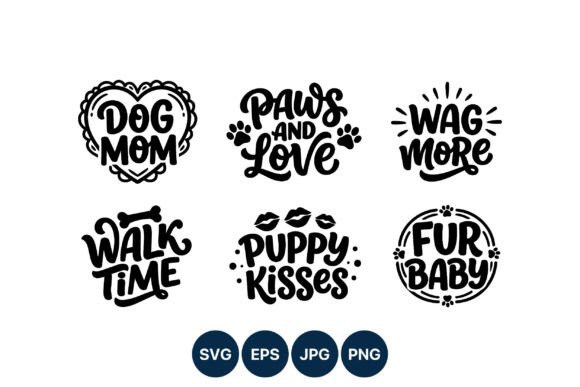
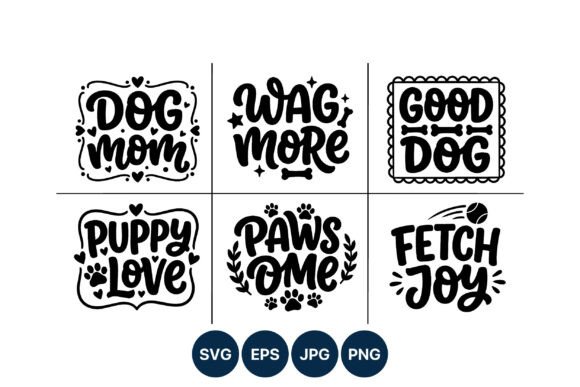
As a professional embroidery designer and product reviewer, I approach every new graphic with a specific question: will this actually stitch out well on real fabric? When evaluating the Dog Mom Puppy Love Pawsome Wag More collection, my focus shifts immediately from the screen to the hoop. This set of black and white handwritten lettering, featuring phrases like "good dog," "fetch joy," and "pawsome," is decorated with paw prints, hearts, and bones. While it arrives as a vector art download in a ZIP folder under the Illustrations and Graphics category, its true value lies in its potential as a machine embroidery design for the pet lover market.
The aesthetic is undeniably charming. The handwritten style suggests a personal, organic feel that resonates deeply with customers looking for personalized gifts or custom apparel. However, translating vector lines into satin stitch or running stitch requires careful consideration. In my studio, I tested this concept while preparing a custom embroidered tote bag for a local pet boutique. The goal was to create a merchandise item that felt handmade yet professional enough for retail sale. Here is my practical assessment of how these graphics perform when converted into stitches for real-world projects.
Translating Vector Art to Stitched Reality
The first thing I noticed about the Dog Mom Puppy Love Pawsome Wag More assets is the versatility of the layout. Because the elements are separated—phrases distinct from the decorative icons—you have immense flexibility as an embroidery designer. For the tote bag project, I didn't want a dense, heavy block of text that would distort the canvas fabric. Instead, I utilized the "Puppy Love" phrase in a lightweight running stitch for the main focal point and scattered the smaller bone and heart vectors as accents using a tight satin stitch.
This separation is crucial for small shop products. If you are an Etsy seller creating sweatshirt embroidery, you might place "Wag More" across the chest and use the paw prints vertically down the sleeve. The vector nature of the source file means you can resize elements without losing edge definition, but you must be mindful of stitch density. Handwritten fonts often vary in stroke width; when digitizing, ensure the thinner parts of the letters don't become too sparse to hold together on textured fabrics, while the thicker swashes don't become bulletproof patches of thread that pucker lightweight knits.
Real-World Application: The Boutique Tote Test
During my tote bag test, the "Dog Mom" lettering served as the anchor. Canvas is forgiving, but it has a weave that can swallow fine details. I found that the playful, slightly irregular baseline of the handwritten font gave the finished product a warm, approachable mood that rigid block letters simply cannot achieve. Customers reacted positively to the "Fetch Joy" accent because it felt less like corporate branding and more like a heartfelt message.
However, I had to adjust my stabilizer strategy. Even though the design is black and white, which usually implies simplicity, the varying angles of the handwritten script required a cut-away stabilizer to prevent the fabric from tunneling between the letters. For craft business owners planning holiday embroidery or nursery decor, this stability is non-negotiable. A distorted "Good Dog" patch looks unprofessional, regardless of how cute the original graphic is. The visual appeal of this collection relies entirely on crisp, clean edges that mimic the fluidity of the original pen stroke.
Navigating Fabric Limitations and Hoop Sizes
While Dog Mom Puppy Love Pawsome Wag More is versatile, it demands respect for fabric physics. I advise extreme caution when using these designs on stretchy fabrics like ribbed baby clothes or thin performance tees. Handwritten lettering often involves long travel stitches between characters. On unstable fabrics, these jumps can cause pulling or misalignment. If you are making baby embroidery items, consider breaking the phrases into individual words or lines to reduce the span of travel stitches and allow the fabric to move naturally.
Small hoop sizes also present a challenge. The intricate details in the paw prints and the loops in the cursive lettering can get lost if scaled down too aggressively for a cap or pocket placement. Before committing to a production run of caps or aprons, verify the minimum readable size of the smallest text element. In my testing, the word "pawsome" maintained legibility down to about two inches wide, but "joy" could go smaller due to its simpler structure. Always check your specific embroidery file parameters after digitizing; never assume the vector scale translates directly to stitch safety.
- Dark Fabrics: Since the art is black and white, contrast is key. White thread on black fabric works beautifully, but ensure your underlay is sufficient to prevent the dark fabric from grinning through the white stitches.
- Textured Surfaces: For tea towels or terry cloth, use a water-soluble topping. The delicate serifs and tails of the handwritten font will sink into the pile without it, ruining the design's personality.
- Curved Items: When placing these on caps, flatten the curve of the lettering slightly in your software. Natural handwriting follows a straight line; forcing it onto a curved brim without adjustment makes the text look warped.
Commercial Viability and Brand Consistency
For creative entrepreneurs and digital product sellers, this collection offers strong commercial potential. The "Dog Mom" niche is evergreen, but saturation is high. What makes Dog Mom Puppy Love Pawsome Wag More stand out is the cohesive mix of typography and iconography. It allows for brand consistency across different mediums. You can use the full phrase for a printable mockup on your website, the "Good Dog" text for leather patches, and the isolated hearts for packaging stickers.
From a buyer engagement perspective, this style signals "handmade quality." It avoids the sterile look of stock clip art. However, professionalism dictates that you validate your licensing before selling. Since the download includes a ZIP folder with vector art, confirm whether you have commercial rights for physical finished products versus digital resale. As a reviewer, I always recommend keeping a record of your license terms. Trust is built when customers see consistent, high-quality application of design assets, not just when they buy the file.
Essential Pre-Stitch Checklist for Makers
Before you load this design into your machine for a client order or shop inventory, run through this practical checklist. These steps save time, thread, and reputation.
- Test on Scrap Fabric First: Never stitch directly onto a final product without a test run. Use a fabric weight similar to your intended project to gauge tension and stabilization needs.
- Check Thread Color Contrast: View the design in black and white mode in your software. If the grayscale values are too similar, the design will lack depth when stitched in monochrome.
- Review Stitch Density: Ensure the fill stitch areas aren't too dense for the fabric type. Overly dense handwritten fills can act like armor plating on a soft sweatshirt.
- Confirm Hoop Size Compatibility: Measure the actual stitch area, not just the bounding box. Irregular handwritten shapes often extend further than expected.
- Inspect Small Details: Zoom in to 100% in your embroidery software. Verify that the tips of hearts and ends of bone icons have adequate tie-offs to prevent unraveling after washing.
- Mockup Validation: Create both light and dark background mockups. A design that pops on white might disappear on navy. This helps you write accurate product descriptions for your Etsy listings.
The Dog Mom Puppy Love Pawsome Wag More collection is a delightful asset for any embroidery project targeting pet enthusiasts. Its strength lies in its emotional resonance and adaptable layout. By treating these vectors as a foundation for thoughtful digitizing rather than a plug-and-play solution, you elevate the perceived value of your handmade products. Whether you are stitching a personalized gift for a friend or building a commercial embroidery line, success comes from respecting the relationship between the art, the thread, and the fabric. Take the time to test, adjust, and refine, and this design will undoubtedly become a staple in your creative repertoire.