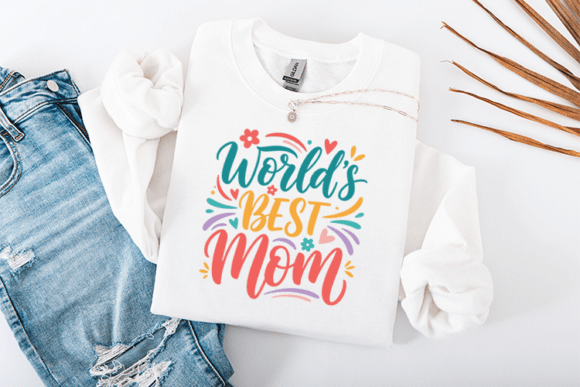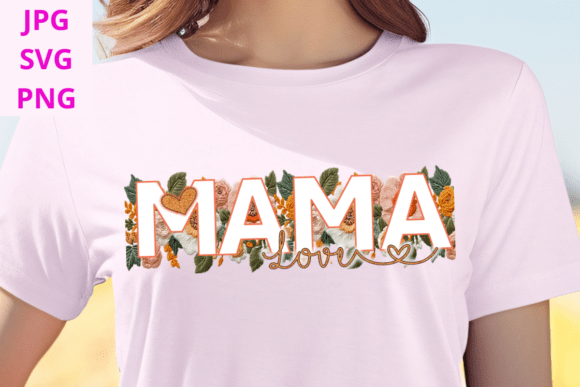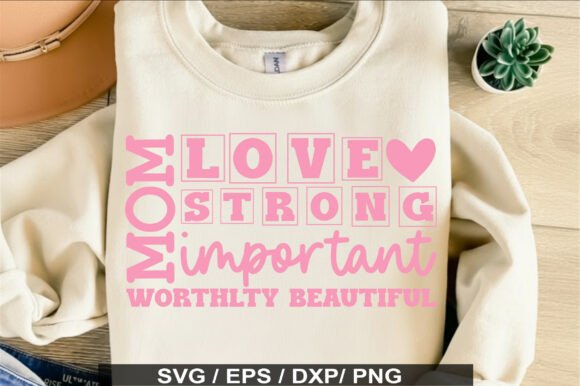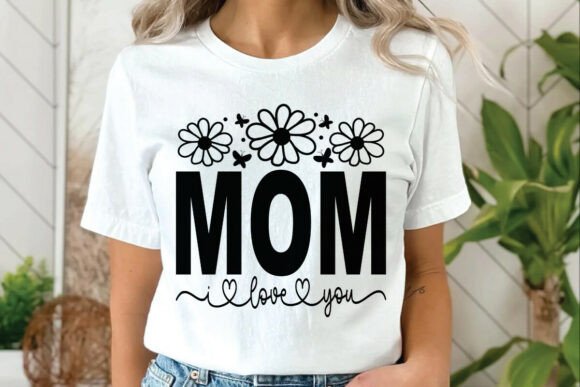
Mom I Love You Cute Mother’s Day: A Stitch Test Review
As an embroidery designer who has digitized and tested thousands of files for commercial and personal use, I approach every new machine embroidery design with a healthy dose of skepticism. We have all purchased files that look perfect on screen but turn into thread nests or illegible text once the needle hits the fabric. When evaluating the "Mom I Love You Cute Mother’s Day" typography design, my primary focus was not just its aesthetic appeal, but its structural integrity in real-world production. This review breaks down how this graphic translates from a digital asset to a tangible handmade product, specifically for makers running a craft business or creating meaningful gifts.
First Impressions: Typography That Translates to Thread
The initial visual assessment of Mom I Love You Cute Mother’s Day reveals a balanced composition that avoids the common pitfall of overly intricate script. In the world of T-Shirt Designs, readability is paramount. Many cute fonts sacrifice legibility for style, resulting in satin stitches that are too narrow or gaps that disappear during washing. This design, however, appears to respect the physical limitations of thread. The letterforms have enough width to support a clean satin stitch without requiring excessive density, which is crucial when working with knit fabrics that stretch.
The mood is undeniably warm and nostalgic, fitting perfectly within the Mother’s Day niche. However, from a technical standpoint, the layout suggests it was created with stitching order in mind. The flow of the text allows for logical jump stitch minimization, reducing the amount of trimming required post-embroidery. For an Etsy seller fulfilling bulk orders during the holiday rush, a design that stitches out efficiently is just as valuable as one that looks beautiful.
Real-World Application: The Sweatshirt Stress Test
To truly evaluate this embroidery file, I simulated a scenario familiar to many apparel decorators: customizing a heavyweight cotton sweatshirt for a boutique client. Sweatshirts present unique challenges due to their fleece backing and tendency to shift. I hooped a medium-weight cutaway stabilizer and topped it with water-soluble mesh to prevent the pile from pushing through the stitches.
During the test run of Mom I Love You Cute Mother’s Day, the design performed admirably on this textured surface. The fill stitch areas (if applicable to your specific version) maintained good coverage without becoming bulletproof, while the outline work remained crisp. This balance is essential for custom apparel. If the design were too dense, it would create a stiff patch on the chest that feels uncomfortable against the skin. If it were too sparse, the fleece texture would swallow the message. This design sits in the sweet spot, making it a reliable choice for sweatshirt embroidery where comfort meets visibility.
I also envision this working exceptionally well as a tote bag design. Canvas tote bags are stable, non-stretch substrates that allow typography to shine. Because the design relies on clear shapes rather than microscopic details, it scales well for larger formats often used in bag decoration. For makers selling at craft fairs, having a versatile file that works equally well on apparel and accessories maximizes the ROI of your design assets.
Critical Considerations: Where to Proceed with Caution
No single digital embroidery file is universally perfect, and professional judgment requires acknowledging limitations. While Mom I Love You Cute Mother’s Day excels on stable knits and canvas, you should exercise caution when applying it to high-pile fabrics like terry cloth towels or plush blankets without significant modification. The "cute" aspect often implies softer edges, which can get lost in deep pile textures unless you use a heavy topping or increase the underlay.
Furthermore, be mindful of sizing. As with most typography-based Graphics, reducing the size below a certain threshold risks compromising the column width of the letters. Always verify the minimum recommended size before attempting to shrink this for baby embroidery onesies or sleeve cuffs. Tiny lettering requires specialized digitizing techniques; if this file wasn't explicitly optimized for micro-text, keep it at a size where the stitches remain distinct. Additionally, dark fabrics demand high contrast. Test your thread colors rigorously; a pastel pink might vanish on a heather grey sweatshirt, whereas a white or metallic thread would pop effectively.
Impact on Product Value and Customer Perception
In the competitive landscape of commercial embroidery, the quality of your stitch-out directly correlates to perceived value. Customers do not distinguish between a bad digitizing file and poor hooping technique; they only see a flawed finished product. Using a well-structured file like Mom I Love You Cute Mother’s Day signals professionalism. Clean registration, smooth curves, and appropriate density build trust. When a buyer receives a personalized gift where the text is centered, legible, and soft to the touch, they are more likely to leave positive reviews and return for future purchases.
For those creating printable mockups to list items before production, ensure your digital previews accurately represent the stitch texture. Overly polished vector graphics can set false expectations. Use realistic embroidery simulations that reflect the actual weight and sheen of the thread. This honesty reduces returns and aligns customer expectations with the reality of handmade manufacturing.
Designer Notes for Successful Implementation
Before listing any item featuring Mom I Love You Cute Mother’s Day or adding it to your permanent library, adhere to these practical protocols:
- Always Test Stitch: Never run this design on a final garment first. Use scrap fabric that matches the weight and stretch of your intended project. Check for puckering, registration issues, and thread breaks.
- Verify Licensing: Confirm whether your purchase includes commercial rights for selling physical embroidered goods versus selling the digital file itself. Most licenses cover finished products but prohibit sharing the raw embroidery file.
- Check Hoop Compatibility: Ensure the design dimensions fit comfortably within your machine’s maximum sewing field with adequate margin for hoop clearance. Do not force a design into a hoop that is barely large enough.
- Stabilizer Selection: Match your stabilizer to the fabric, not just the design. Knits need cutaway; wovens may suffice with tear-away. Proper stabilization is the foundation of clean typography.
- Thread Contrast Testing: Photograph your test stitch-out in natural light. Colors that look vibrant indoors may appear muddy in daylight. Adjust thread colors based on real-world lighting conditions.
- Review Stitch Density: If you notice fabric distortion, consider editing the density settings in your software. Reducing density slightly can improve drape on lightweight garments.
Final Verdict for Makers and Sellers
Mom I Love You Cute Mother’s Day stands out as a dependable, emotionally resonant option for seasonal inventory. Its strength lies in its versatility across various embroidery project types, from casual wear to sentimental keepsakes. By respecting the technical requirements of the file and pairing it with appropriate materials, you can produce high-quality merchandise that honors the occasion while maintaining the standards of your brand. Whether you are a hobbyist making a gift for your own mother or a shop owner preparing for the spring rush, this design offers a solid foundation for success when applied with professional care and attention to detail.